Call Today to Schedule an Appointment: 212-319-5282

Year-Round Allergies in the Tri-State Area: Causes, Symptoms, and Treatment Options
Year-round allergies in the tri-state area are a common issue for residents who experience persistent symptoms regardless of the season. Unlike seasonal allergies that come and go with pollen cycles, perennial (year-round) allergies are triggered by indoor and environmental allergens that are present every day. In densely populated regions like New York, New Jersey, and Connecticut, factors such as apartment living, older buildings, and limited ventilation can make symptoms even more difficult to control.
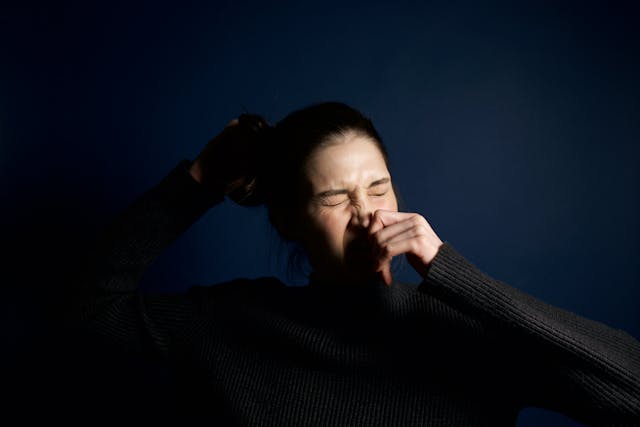
Understanding what’s causing your symptoms—and how to treat them—is the first step toward lasting relief.
What Causes Year-Round Allergies?
Perennial allergies are typically triggered by substances that exist indoors or persist throughout the year. While outdoor allergens still play a role, indoor exposure is often the primary issue.
- Dust mites: Microscopic organisms that live in bedding, carpets, and upholstered furniture.
- Pet dander: Proteins from animal skin, saliva, and urine that remain in the environment even after pets leave.
- Mold spores: Found in damp areas such as bathrooms, basements, and poorly ventilated spaces.
- Cockroach allergens: A significant trigger in urban environments, especially in shared housing.
Because these allergens are constantly present, symptoms can become chronic and may fluctuate in intensity rather than disappear completely.
Recognizing the Symptoms
Year-round allergy symptoms often mimic seasonal allergies but tend to be more persistent and less predictable. Many patients experience daily discomfort without realizing allergies are the cause.
Common symptoms include nasal congestion, postnasal drip, sneezing, and itchy or watery eyes. Some individuals also develop chronic sinus pressure, headaches, or fatigue due to poor sleep quality. In more severe cases, allergies can trigger coughing, wheezing, or asthma symptoms.
Unlike seasonal allergies, which are tied to specific times of the year, perennial allergies may worsen in certain environments—such as at home, at work, or during the night—depending on where allergens are most concentrated.
How Year-Round Allergies Are Diagnosed
Because symptoms can overlap with other conditions like sinus infections or respiratory illnesses, proper diagnosis is essential. An allergist will begin with a detailed history to identify patterns in your symptoms and possible triggers.
Diagnostic testing often includes skin prick testing or blood tests to detect sensitivities to specific allergens. These tests help pinpoint exactly what is causing your symptoms, allowing for a more targeted and effective treatment plan.
Treatment Options for Long-Term Relief
Managing year-round allergies requires a combination of medical treatment and environmental control. Unlike short-term seasonal symptoms, perennial allergies often require ongoing management.
Treatment may include antihistamines to reduce sneezing and itching, nasal corticosteroid sprays to decrease inflammation, and decongestants for temporary relief of congestion. For patients with more persistent or severe symptoms, immunotherapy—such as allergy shots or sublingual drops—can help retrain the immune system and reduce sensitivity over time.
In addition to medication, reducing exposure to allergens in your environment plays a critical role. This might involve improving air filtration, controlling humidity, and modifying your living space to minimize allergen buildup.
Why Indoor Environment Matters in the Tri-State Area
The tri-state area presents unique challenges for allergy sufferers. Many residents live in apartments or older buildings where ventilation may be limited and allergens can accumulate more easily. Seasonal changes can also impact indoor conditions, with increased humidity in the summer and dry, heated air in the winter.
Because people spend a significant amount of time indoors, especially during colder months, managing indoor air quality becomes just as important as addressing outdoor triggers. Even small changes—such as regular cleaning or improved air filtration—can make a noticeable difference in symptom control.
When to See an Allergist
If your symptoms are persistent, worsening, or interfering with your daily life, it may be time to seek professional evaluation. Many patients with year-round allergies assume their symptoms are unavoidable, but targeted treatment can dramatically improve quality of life.
An allergist can identify hidden triggers, develop a personalized treatment plan, and recommend long-term solutions that go beyond temporary relief. Early intervention can also prevent complications such as chronic sinus infections or asthma.
Find Relief from Year-Round Allergies in NYC
If you’re dealing with ongoing allergy symptoms, professional testing and treatment can help you take control of your health. A comprehensive evaluation can identify your specific triggers and provide a clear path toward lasting relief.
Allergy, Asthma and Sinusitis P.C
Boyan Hadjiev, MD
30 East 40th Street
Suite 1200
New York, NY 10016
212-319-5282
Serving all of New York City and the Tri State Area including Zip Codes: Top Allergist NYC Midtown, Chelsea and Clinton: 10001, 10011, 10018, 10019, 10020, 10036 | Gramercy Park and Murray Hill: 10010, 10016, 10017, 10022 | Greenwich Village and Soho: 10012, 10013, 10014 | Lower Manhattan: 10004, 10005, 10006, 10007, 10038, 10280 | Lower East Side: 10002, 10003, 10009 | Upper East Side: 10021, 10028, 10044, 10128 | Upper West Side: 10023, 10024, 10025