
Category Archives: Allergies at Home
How to Improve Indoor Air Quality for Allergy Relief in NYC Homes
How to improve indoor air quality for allergy relief in NYC homes is a question on the minds of many allergy sufferers. In a densely populated city like New York, indoor air can quickly become a breeding ground for allergens like dust mites, pet dander, mold spores, and pollen tracked in from the outdoors. Poor air quality not only worsens allergies but can also aggravate asthma and sinus conditions, especially in compact apartments and buildings with limited ventilation. Fortunately, with a few strategic adjustments, you can create a healthier indoor environment and reduce your symptoms year-round.

Why Indoor Air Quality Matters in NYC
Urban living presents unique challenges. HVAC systems may recirculate pollutants, building materials can emit volatile organic compounds (VOCs), and street-level air contaminants can sneak in through open windows. Add to that the typical triggers of indoor allergens—like carpeting, bedding, or moisture—and it’s clear why air quality matters so much for allergy relief.
Top Ways to Improve Indoor Air Quality
1. Install HEPA Air Purifiers
High-Efficiency Particulate Air (HEPA) purifiers can trap airborne particles like pollen, dust mites, pet dander, and mold spores. Place one in each frequently used room, especially bedrooms and living spaces.
- Choose a purifier rated for the size of your room.
- Change the filters regularly for optimal performance.
2. Use Allergy-Friendly Bedding
Your bed is a major reservoir for allergens. Dust mites thrive in pillows, mattresses, and blankets.
- Wash all bedding in hot water weekly.
- Use zippered, allergen-proof mattress and pillow covers.
- Choose hypoallergenic pillows and comforters made from synthetic materials.
3. Control Humidity Levels
Humidity plays a big role in mold growth and dust mite populations. In NYC, older buildings often have leaky plumbing or poor airflow that raises indoor humidity.
- Keep humidity levels between 30% and 50% using a dehumidifier.
- Vent bathrooms and kitchens properly after use.
- Repair leaks immediately to prevent mold buildup.
4. Vacuum and Clean Often
Regular cleaning helps remove allergens before they accumulate and become airborne.
- Use a vacuum cleaner with a HEPA filter 2–3 times a week.
- Dust surfaces with a damp cloth to trap allergens instead of spreading them.
- Clean floors with a microfiber mop for better dust capture.
5. Avoid Wall-to-Wall Carpeting
Carpets can trap allergens that are difficult to remove, even with frequent vacuuming.
- Opt for hardwood, tile, or laminate flooring whenever possible.
- If carpets are necessary, choose low-pile options and steam clean them regularly.
6. Eliminate VOCs and Harsh Chemicals
Paints, air fresheners, cleaning sprays, and other synthetic products can emit VOCs that irritate the airways.
- Use unscented, eco-friendly cleaning products and low-VOC paint.
- Avoid aerosol sprays and plug-in air fresheners.
- Keep spaces well-ventilated during and after use of any chemical-based products.
7. Keep Windows Closed During High Pollen Seasons
In the spring and fall, outdoor pollen levels in NYC can be intense. It’s tempting to open the windows, but this lets allergens into your home.
- Use air conditioning with clean filters to maintain comfort indoors.
- Install pollen screens if you need ventilation from outside air.
When to Seek Professional Help
If your indoor allergy symptoms persist despite following these steps, it may be time to consult an allergy specialist. A board-certified allergist can help identify your specific triggers through comprehensive testing and offer tailored treatment, including medication or immunotherapy. In many cases, understanding the cause of your allergies is key to controlling your environment effectively.
Get Expert Allergy Care in NYC
Ready to breathe easier at home? Schedule an evaluation with Dr. Boyan Hadjiev at Allergy, Asthma and Sinusitis P.C. for expert diagnosis and custom treatment solutions designed to help you control your indoor allergies for good.
Allergy, Asthma and Sinusitis P.C
Boyan Hadjiev, MD
30 East 40th Street
Suite 1200
New York, NY 10016
212-319-5282
Allergy-Friendly Home Improvements
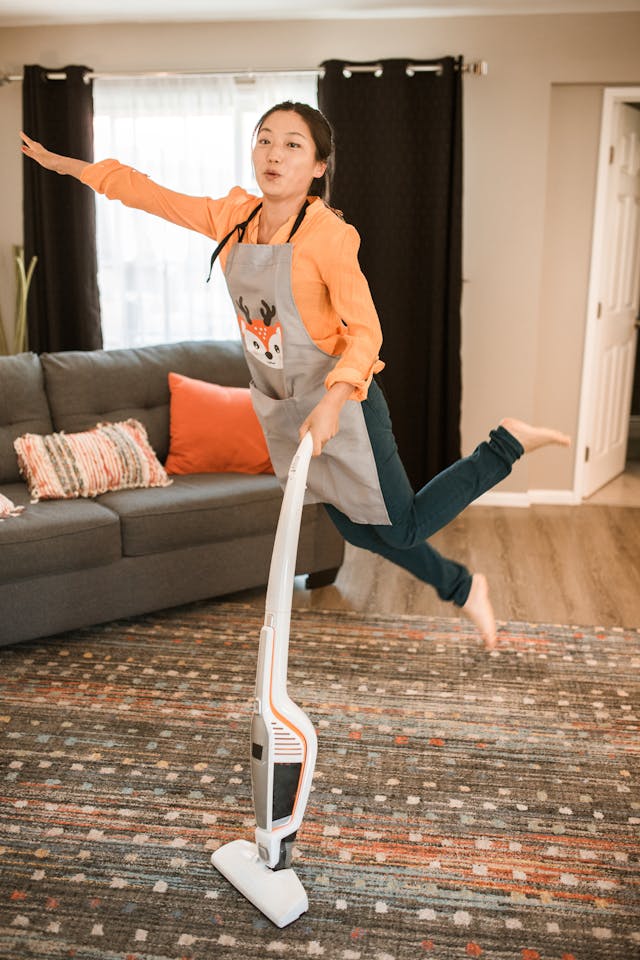 Creating an allergy-friendly home can significantly reduce symptoms and improve quality of life. Here are some practical home improvements to help reduce exposure to common allergic triggers.
Allergy-Friendly Home Improvements
1. Install High-Efficiency Air Filters
Use HEPA filters in your HVAC system to capture airborne allergens like pollen, dust, and pet dander. Replace filters regularly for optimal performance.
2. Use Hypoallergenic Bedding
Opt for hypoallergenic mattress covers, pillows, and bedding to reduce dust mites and other allergens. Wash bedding in hot water weekly to kill dust mites.
3. Choose Hard Flooring
Replace carpets with hard flooring options such as hardwood, tile, or laminate. Hard surfaces are easier to clean and don’t trap allergens like carpets do.
4. Use Low-VOC Paints
Choose low-VOC (volatile organic compounds) paints to reduce exposure to chemicals that can trigger allergies and asthma. These paints are available in a variety of colors and finishes.
5. Control Humidity Levels
Maintain indoor humidity levels between 30-50% using dehumidifiers or air conditioners. This prevents mold growth and reduces dust mites.
6. Install Ventilation Fans
Install exhaust fans in kitchens and bathrooms to reduce moisture and prevent mold growth. Proper ventilation also helps remove cooking fumes and other irritants.
7. Choose Allergy-Friendly Furniture
Opt for leather, vinyl, or other non-fabric furniture that can be easily wiped down. Avoid upholstered furniture that can harbor allergens.
8. Remove Clutter
Keep your home free of clutter to minimize dust accumulation. Use storage solutions to keep items organized and off the floor.
9. Regular Cleaning
Vacuum regularly with a HEPA-filter vacuum and dust surfaces with a damp cloth. Clean areas prone to mold, such as bathrooms and basements, frequently.
10. Use Green Cleaning Products
Choose non-toxic, fragrance-free cleaning products to avoid chemical irritants that can trigger allergies. Natural cleaning solutions like vinegar and baking soda can be effective and safe.
Allergy-Friendly Home Improvements: Conclusion
Implementing these allergy-friendly home improvements can create a healthier living environment and help reduce allergy symptoms.
For expert advice on allergy management and creating an allergy-friendly home, contact Dr. Boyan Hadjiev at Allergy, Asthma and Sinusitis P.C. Our team is dedicated to helping you achieve a healthier home.
Boyan Hadjiev, MD
212-319-5282
Serving all of New York City and the Tri State Area including Zip Codes: Top Allergist NYC Midtown, Chelsea and Clinton: 10001, 10011, 10018, 10019, 10020, 10036 | Gramercy Park and Murray Hill: 10010, 10016, 10017, 10022 | Greenwich Village and Soho: 10012, 10013, 10014 | Lower Manhattan: 10004, 10005, 10006, 10007, 10038, 10280 | Lower East Side: 10002, 10003, 10009 | Upper East Side: 10021, 10028, 10044, 10128 | Upper West Side: 10023, 10024, 10025
[wpseo_address oneline="0" show_state="1" show_phone="1" show_email="1"]
[wpseo_map width="500" height="300" zoom="12" map_style="roadmap" scrollable="1" show_route="0" show_state="1" show_url="1"]