
Monthly Archives: September 2025
How to Tell If You Have Dust Mite Allergies — And What to Do About It
Dust mite allergies are among the most common year-round triggers for allergic rhinitis and asthma, especially in urban environments like New York City where indoor living is prevalent. If you’ve been sneezing, waking up congested, or dealing with itchy eyes and a runny nose — particularly when you’re indoors — dust mites could be to blame. Here’s how to tell if you have dust mite allergies and what to do about it.
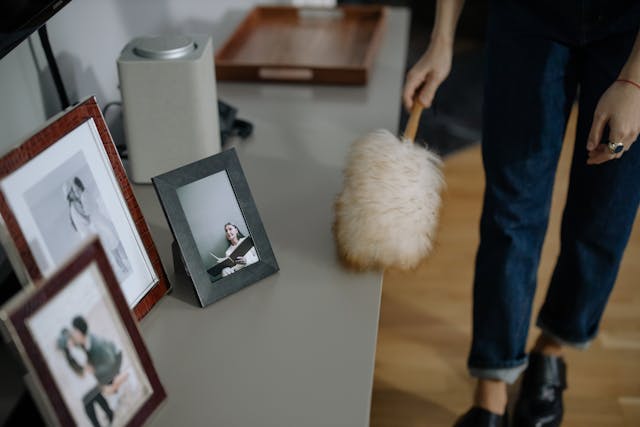
Understanding Dust Mites and Their Impact
Dust mites are microscopic organisms that thrive in warm, humid environments. They feed on dead skin cells and are commonly found in bedding, carpets, upholstered furniture, curtains, and stuffed animals. While the mites themselves are harmless, their waste products and body fragments contain proteins that can trigger allergic reactions in sensitive individuals.
Common Symptoms of Dust Mite Allergies
If you have a dust mite allergy, you may experience symptoms similar to hay fever — but they tend to persist throughout the year and worsen indoors. Watch for:
- Frequent sneezing
- Runny or congested nose
- Postnasal drip
- Itchy, red, or watery eyes
- Itchy throat or roof of the mouth
- Wheezing, coughing, or shortness of breath (in asthma sufferers)
- Increased symptoms upon waking
If these symptoms improve when you’re outdoors or away from your usual sleeping environment, dust mites may be a primary cause.
How Dust Mite Allergies Are Diagnosed
The best way to confirm a dust mite allergy is through an allergy consultation with a board-certified allergist. Testing options include:
- Skin Prick Test: A small amount of dust mite extract is applied to your skin, and the reaction is observed. Redness or swelling indicates sensitivity.
- Blood Test (Specific IgE): This measures your immune system’s response to dust mite allergens and may be used if you’re unable to undergo skin testing.
An accurate diagnosis helps differentiate dust mite allergies from mold, pet dander, or other indoor triggers.
Tips to Reduce Dust Mite Exposure
Once diagnosed, your allergist will recommend strategies to reduce allergen load in your home and relieve symptoms. These include:
- Encasing Bedding: Use zippered, dust-proof covers for pillows, mattresses, and box springs.
- Washing Bedding Weekly: Launder sheets, pillowcases, and blankets in hot water (130°F or higher).
- Reducing Humidity: Keep indoor humidity below 50% using a dehumidifier or air conditioner.
- Eliminating Carpets: Replace wall-to-wall carpeting with hardwood, tile, or vinyl flooring when possible.
- Using HEPA Filters: Place HEPA filters in vacuums and air purifiers to trap allergens.
- Limiting Upholstered Items: Opt for leather or wood furniture that doesn’t harbor mites.

Treatment Options for Dust Mite Allergies
Your doctor may recommend a combination of medications and long-term treatments, including:
- Antihistamines: Help reduce sneezing, runny nose, and itching.
- Nasal Corticosteroids: Decrease inflammation and congestion.
- Decongestants: Provide short-term relief for nasal stuffiness.
- Allergy Immunotherapy: Allergy shots or sublingual tablets can desensitize your immune system to dust mite allergens over time, offering long-term relief.
Expert Help for Dust Mite Allergies in NYC
If you suspect dust mite allergies are affecting your quality of life, don’t wait. A professional allergy evaluation and customized treatment plan can significantly reduce your symptoms and improve your home environment.
Allergy, Asthma and Sinusitis P.C
Boyan Hadjiev, MD
30 East 40th Street
Suite 1200
New York, NY 10016
212-319-5282
The Role of Immunotherapy in Treating Chronic Allergies
The role of immunotherapy in treating chronic allergies has become increasingly important as more patients seek long-term relief beyond over-the-counter medications. For New Yorkers navigating seasonal pollen surges, mold exposure, and year-round triggers like dust mites or pet dander, immunotherapy offers a targeted and proven solution to reduce symptoms and improve quality of life. This blog explains how immunotherapy works, who benefits most, and why it’s a cornerstone of modern allergy care in NYC.

What Is Immunotherapy?
Immunotherapy is a medical treatment designed to retrain the immune system to become less reactive to specific allergens. By gradually introducing small, controlled doses of allergens over time, the body builds tolerance and reduces its overactive response.
There are two main types of immunotherapy:
- Allergy Shots (Subcutaneous Immunotherapy – SCIT): These injections are administered in a medical office, typically once or twice weekly during the build-up phase, then monthly for maintenance.
- Allergy Drops (Sublingual Immunotherapy – SLIT): These are placed under the tongue daily and can often be taken at home, under physician guidance.
Both methods target the root cause of allergies rather than masking symptoms like antihistamines or nasal sprays do.
Who Should Consider Immunotherapy?
Immunotherapy is especially effective for individuals with moderate to severe allergies who:
- Have allergic rhinitis (hay fever) that isn’t controlled with medications.
- Suffer from recurrent sinus infections or chronic congestion.
- Experience seasonal asthma flare-ups due to allergens.
- Are allergic to multiple triggers like pollen, mold, pets, or dust mites.
- Prefer to reduce or eliminate long-term reliance on daily medications.
Children over the age of five and adults can benefit, especially those exposed to high allergen levels in urban environments like NYC.
Benefits of Immunotherapy for Chronic Allergies
Immunotherapy provides long-term allergy control and delivers many benefits:
- Reduces Symptom Severity: Patients often notice fewer sneezing episodes, nasal congestion, watery eyes, and asthma attacks.
- Decreases Medication Use: Many patients can reduce or stop using antihistamines, decongestants, or steroid sprays.
- Prevents New Allergies: Immunotherapy may help prevent the development of new allergic sensitivities.
- Improves Asthma Control: Especially in children and teens with allergic asthma, immunotherapy can reduce emergency visits and medication use.
- Long-Lasting Results: With consistent treatment (typically 3–5 years), benefits may last for a decade or more after therapy ends.
For many patients, these outcomes translate into better sleep, fewer sick days, and a significant improvement in daily life.
How the Process Works
A board-certified allergist begins by identifying your exact allergy triggers through skin or blood testing. Once identified, your doctor develops a custom immunotherapy formula based on your allergy profile.
- During the build-up phase, doses are gradually increased to allow your body to adjust.
- The maintenance phase begins once an effective dose is reached — usually after several months — and continues long-term.
Patients receiving allergy shots must remain under observation in the clinic for 30 minutes post-injection. Those using sublingual drops are instructed on proper daily dosing at home.
Is Immunotherapy Right for You?
While immunotherapy is highly effective, it isn’t ideal for everyone. People with certain medical conditions — such as severe, uncontrolled asthma or immune disorders — may require alternative treatments. Your allergist will conduct a thorough medical evaluation to determine if immunotherapy is appropriate.
Expert Allergy Care in NYC
If you’re tired of seasonal or chronic allergy symptoms controlling your life, immunotherapy may offer the long-term relief you’ve been looking for. Get expert evaluation and treatment from NYC’s trusted allergy specialist.
Allergy, Asthma and Sinusitis P.C
Boyan Hadjiev, MD
30 East 40th Street
Suite 1200
New York, NY 10016
212-319-5282
Serving all of New York City and the Tri State Area including Zip Codes: Top Allergist NYC Midtown, Chelsea and Clinton: 10001, 10011, 10018, 10019, 10020, 10036 | Gramercy Park and Murray Hill: 10010, 10016, 10017, 10022 | Greenwich Village and Soho: 10012, 10013, 10014 | Lower Manhattan: 10004, 10005, 10006, 10007, 10038, 10280 | Lower East Side: 10002, 10003, 10009 | Upper East Side: 10021, 10028, 10044, 10128 | Upper West Side: 10023, 10024, 10025
[wpseo_address oneline="0" show_state="1" show_phone="1" show_email="1"]
[wpseo_map width="500" height="300" zoom="12" map_style="roadmap" scrollable="1" show_route="0" show_state="1" show_url="1"]