
Category Archives: Respiratory allergies
Is It Allergies or a Sinus Infection? Key Differences Explained
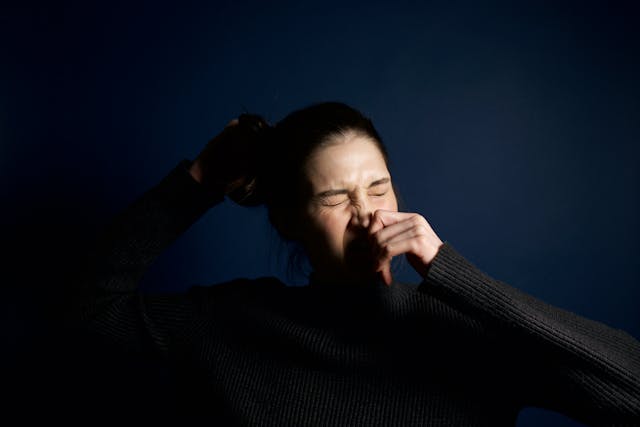
Is it allergies or a sinus infection? Knowing how to tell the difference is essential for getting the right treatment—especially in a place like New York City where both conditions are common. Allergies and sinus infections (sinusitis) share similar symptoms such as nasal congestion, pressure, and headaches, but they have different causes and require different treatments.
This blog explains how to distinguish between the two and what to do if your symptoms persist or worsen.
Understanding the Root Causes
- Allergies: Allergic rhinitis is caused by an immune system overreaction to substances like pollen, pet dander, or dust mites. It’s a chronic condition that can flare up seasonally or year-round, depending on your triggers.
- Sinus Infections: Sinusitis is usually caused by a virus, bacteria, or fungus infecting the sinus cavities. It can follow a cold or respiratory infection and may be acute (short-term) or chronic (lasting longer than 12 weeks).
While both conditions inflame the nasal passages, allergies are immune-based, while sinus infections are typically infectious.
Key Symptom Differences
Although the symptoms overlap, there are some telltale signs that can help you tell allergies from sinus infections:
- Fever: Usually present with sinus infections, but not with allergies.
- Discolored Nasal Mucus: Thick yellow or green mucus often points to infection. Clear mucus is more typical of allergies.
- Itchy Eyes: Common with allergies, rare with sinus infections.
- Facial Pain/Pressure: Can occur with both, but is usually more intense and localized in sinus infections.
- Duration: Allergy symptoms may last for weeks or months. Acute sinus infections often resolve within 10–14 days, although chronic cases may linger.
If symptoms worsen over time or persist beyond 10 days with facial pressure and fever, it’s likely an infection.
Diagnosis: What to Expect at the Allergy Clinic
A board-certified allergist will conduct a thorough medical history and may recommend:
- Skin Prick Testing: To identify allergens like mold, pollen, or dust mites.
- Blood Tests (IgE): To confirm allergic responses.
- CT Scan or Nasal Endoscopy: In cases of chronic sinus infections, imaging may be necessary to evaluate structural blockages or chronic inflammation.
Correct diagnosis is essential to avoid using antibiotics when they’re unnecessary or ineffective.
Treatment Options for Each Condition
Allergy Treatment Options:
- Antihistamines and nasal corticosteroids to reduce symptoms.
- Decongestants for temporary relief of nasal swelling.
- Allergy immunotherapy (shots or drops) to desensitize the immune system over time.
- Environmental controls like HEPA filters and allergen-proof bedding.
Sinus Infection Treatment Options:
- Saline nasal rinses to flush out the sinuses.
- Decongestants to promote sinus drainage.
- Antibiotics (only if a bacterial infection is confirmed).
- Steroid sprays to reduce inflammation in chronic cases.
Patients who suffer from recurring sinus infections may benefit from further evaluation to rule out allergies or structural issues.
When Allergies Lead to Sinus Infections
In some cases, untreated allergies can set the stage for sinus infections. Constant inflammation and mucus buildup create the perfect breeding ground for bacteria. That’s why managing allergies can help prevent sinus problems altogether. Patients who treat their allergies often experience fewer sinus infections and a better quality of life.
Take the First Step Toward Relief
If you’re unsure whether your symptoms are caused by allergies or a sinus infection, don’t guess—get answers from a qualified expert. Schedule a comprehensive evaluation with Dr. Boyan Hadjiev today for personalized allergy and sinus care in NYC.
Allergy, Asthma and Sinusitis P.C
Boyan Hadjiev, MD
30 East 40th Street
Suite 1200
New York, NY 10016
212-319-5282
How to Protect Yourself from Pollen
According to the latest research, one out of five people suffer from seasonal allergy, i.e., pollen. This happens when your body reacts to an outdoor allergen. Usually, the pollen of insect-pollinated plants, such as grasses, trees, and weeds are the most common causes of this problem. Over-exposure to pollen can lead to many problems. The main issues could be respiratory allergies, including asthma and allergic rhinitis. Let’s have a look at the ways through which you can protect yourself from different outdoor allergens:
Grass Pollen
You can not suffer from grass pollen all around the year; they come in certain seasons. Rain, temperature, and the times of day are some of the factors that affect the temperature. There are about 1,200 grass species all over North America, which can cause allergies. Some of the major ones are Johnson grass, Bermuda grass, Orchard grass, and Timothy grass, etc.
However, you can follow some of the steps to protect yourself from these. It is recommended to stay early morning indoors between 5, and 10 am. Pollen levels are lower in the evenings. Therefore, it is highly recommended to go for outdoor activities during that time. This way you will be able to save yourself from pollen attacks.
Moreover, you are advised to keep windows and doors of your house closed during the daytime. Pollen won’t be allowed to enter your house from any of the entrances. This will keep your house protected from external enemies. If you feel warm inside the house with closed doors, prefer using an air conditioner. This would make you feel good as well as protect you.
Plant Pollen
Some of the prolific producers of pollen allergens are a curly dock, ragweed, quarters, lambs, plantain, and sheep sorrel. Plant pollen levels usually take place during the months August and September. The time when there is the most chance of pollen is mid-September. Pollen levels are the highest in dry, hot, and windy mornings.
Moreover, pollen can also make you feel bad when it comes to your clothes. This is the reason why specialists advise not to use a line outside your house, try using a clothes dryer so that pollen does not come on your clothes. When you keep clothes in the open air, it is easiest for pollen to stay on the clothes. When you wear them, you get direct contact with pollen, and you feel sick.
Tree Pollen
As all the plants have different times to produce pollen, trees usually do this during January and as late as in July. They distribute the highest amount of pollen. Moreover, there are about 100 types of trees that cause allergies. One of the most common allergies from the tree is oak.
It is said to follow similar strategies related to keeping away from pollen. You should follow all the tips discussed above. Most importantly, it is advised not to mow by you, hire someone else for the job. However, if you do, remember to wear a mask.
Call our offices at 212-319-5282 to schedule an appointment with the best allergist in New York City.
Serving all of New York City and the Tri State Area including Zip Codes: Top Allergist NYC Midtown, Chelsea and Clinton: 10001, 10011, 10018, 10019, 10020, 10036 | Gramercy Park and Murray Hill: 10010, 10016, 10017, 10022 | Greenwich Village and Soho: 10012, 10013, 10014 | Lower Manhattan: 10004, 10005, 10006, 10007, 10038, 10280 | Lower East Side: 10002, 10003, 10009 | Upper East Side: 10021, 10028, 10044, 10128 | Upper West Side: 10023, 10024, 10025
[wpseo_address oneline="0" show_state="1" show_phone="1" show_email="1"]
[wpseo_map width="500" height="300" zoom="12" map_style="roadmap" scrollable="1" show_route="0" show_state="1" show_url="1"]