
Category Archives: Pediatric Allergist
Best Allergy Treatments for Kids: Pediatric Allergy Care in NYC
Best allergy treatments for kids focus on safety, effectiveness, and long-term quality of life. In a city as active and allergen-rich as New York, having a solid pediatric allergy care plan is especially important — not just to relieve symptoms, but to allow children to play, learn, and grow without constant discomfort. Below is a parent-friendly guide to the most effective approaches for treating childhood allergies.
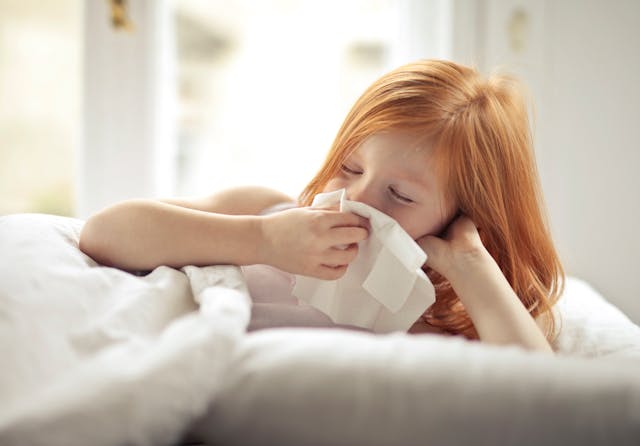
Why Pediatric Allergy Care Needs a Specialized Approach
Children are not small adults — their immune systems, growth patterns, and exposure risks are different. A pediatric allergist can tailor care specifically to a child’s age, development, and unique triggers. Without specialized care, allergy symptoms can interfere with sleep, school performance, play, and overall well-being.
Common Childhood Allergens in NYC
- Environmental Allergens: Pollen, mold spores, dust mites, pet dander, and cockroach allergens — all common in NYC buildings and parks.
- Food Allergens: Milk, peanuts, tree nuts, soy, eggs, wheat, shellfish, and sesame are among the most frequent culprits.
- Indoor Allergens: Dust and mold in older buildings, HVAC systems, or poorly ventilated homes can be year-round issues.
Top Treatment Options for Pediatric Allergies
1. Allergen Avoidance and Environmental Controls
- Use allergen-proof bedding to reduce dust mite exposure.
- Install HEPA filters in the child’s bedroom or central air system.
- Regularly vacuum and dust using HEPA-equipped tools.
- Reduce pet exposure if dander is a known trigger.
2. Age-Appropriate Medications
- Antihistamines: Loratadine or cetirizine are safe for children and relieve runny noses, sneezing, and hives.
- Nasal Sprays: Mild corticosteroid sprays can help with congestion and inflammation in older children.
- Topical Creams: Hydrocortisone or non-steroidal creams to soothe allergy-related skin irritation or eczema.
3. Immunotherapy
For moderate to severe allergies that don’t respond to basic management, immunotherapy may be appropriate:
- Allergy Shots: Gradually train the immune system to tolerate allergens. Usually for children over 5.
- Allergy Drops/Tablets: A non-injection alternative in some cases, especially for pollen-related allergies.
When to See a Pediatric Allergist
A child should be evaluated by a specialist if:
- Symptoms persist despite using over-the-counter meds or basic home care.
- They have multiple food or environmental allergies.
- They have frequent asthma attacks triggered by allergies.
- They suffer from chronic skin rashes, sinus infections, or ear infections.
An allergist can offer a full diagnostic workup including skin testing, blood work, and lung function testing if necessary.
Supporting Your Child’s Quality of Life
Pediatric allergy care isn’t just about treating symptoms — it’s about improving the child’s ability to thrive. This includes helping them:
- Sleep through the night without nasal congestion or coughing fits
- Concentrate in school without allergy-related fatigue or brain fog
- Enjoy activities like sports and playdates without wheezing or fear of exposure
Parents, caregivers, and teachers all play a role in creating an allergy-friendly environment — especially in shared spaces like schools, camps, and daycare centers.
Get Expert Pediatric Allergy Treatment in NYC
If your child is showing signs of allergies, early evaluation can make a big difference in their health and happiness. Schedule a consultation today for pediatric allergy testing and treatment tailored to your family’s needs.
Allergy, Asthma and Sinusitis P.C
Boyan Hadjiev, MD
30 East 40th Street
Suite 1200
New York, NY 10016
212-319-5282
Pediatric Allergy and Asthma: What Parents Need to Know
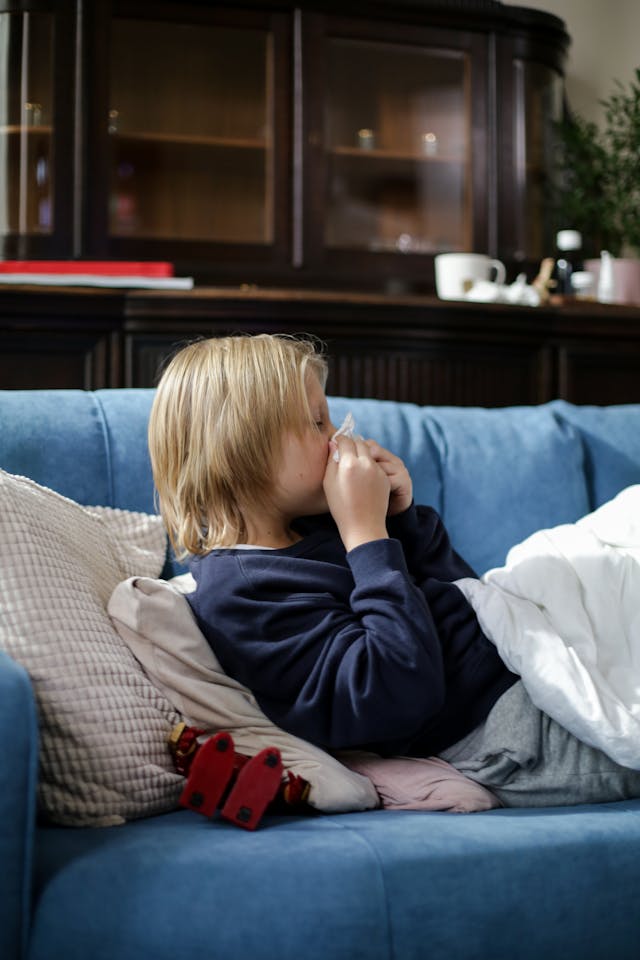 Understanding pediatric allergy and asthma management is essential for helping your child thrive, and early intervention can make a world of difference. Raising a child with allergies or asthma can be overwhelming, especially in a busy city like New York. From seasonal pollen to indoor allergens and air pollution, the environment presents constant challenges.
Common Pediatric Allergies and Asthma Triggers
Children can be sensitive to a variety of allergens and environmental factors. Some of the most common triggers include:
- Environmental Allergens: Pollen, mold, pet dander, and dust mites are major contributors to allergic reactions.
- Food Allergies: Peanuts, tree nuts, milk, eggs, soy, wheat, fish, and shellfish are among the most common food allergens.
- Air Pollution: Exposure to traffic emissions and industrial pollutants can worsen asthma symptoms.
- Weather Changes: Cold, dry air in the winter and humid conditions in the summer can trigger asthma flare-ups.
- Viral Infections: Common colds can easily escalate into asthma attacks in sensitive children.
Recognizing Symptoms Early
Early recognition of allergy and asthma symptoms is key to managing them effectively. Watch for signs such as:
- Persistent coughing, especially at night
- Wheezing or shortness of breath during play or physical activity
- Frequent sneezing, nasal congestion, or runny nose
- Itchy, watery eyes
- Complaints of chest tightness or feeling tired more easily than peers
If you notice these symptoms, it’s important to seek evaluation and treatment promptly.
Diagnosis and Testing for Pediatric Patients
Proper diagnosis involves a combination of medical history, physical examination, and specialized tests. Allergy testing can identify specific environmental or food allergens triggering your child’s symptoms, while pulmonary function tests may assess asthma severity.
Accurate testing ensures a treatment plan that is customized to your child’s individual needs — reducing guesswork and offering real solutions.
Effective Treatment Options
A comprehensive treatment plan can help your child live an active, healthy life with minimal symptoms. Options include:
- Allergy Medications: Antihistamines, nasal sprays, and eye drops can control allergy symptoms.
- Asthma Inhalers: Quick-relief inhalers and long-term controller inhalers help manage breathing issues.
- Immunotherapy (Allergy Shots): Over time, allergy shots can help reduce sensitivity to allergens.
- Emergency Action Plans: An individualized plan for managing severe allergic reactions or asthma attacks can save lives.
Helping Your Child Thrive
In addition to medications, small changes at home can make a big difference in managing pediatric allergy and asthma symptoms:
- Use hypoallergenic bedding and wash linens in hot water weekly.
- Minimize exposure to pets if dander is a known trigger.
- Monitor pollen counts and limit outdoor activities during peak allergy seasons.
- Maintain indoor air quality with HEPA filters and dehumidifiers.
- Educate your child about recognizing symptoms and using inhalers or medications properly.
With the right care, most children with allergies or asthma can fully participate in school, sports, and social activities without limitations.
Contact NYC’s Pediatric Allergy and Asthma Specialist
If your child is struggling with allergies or asthma, expert care can make all the difference. Schedule a consultation with Dr. Boyan Hadjiev at:
Allergy, Asthma and Sinusitis P.C
Boyan Hadjiev, MD
30 East 40th Street
Suite 1200
New York, NY 10016
212-319-5282
Give your child the best chance at a healthier, happier life by working with an experienced NYC allergist who truly understands pediatric care.
Pediatric Allergies: How NYC’s Allergist Can Help Your Child Thrive
Want to know more about pediatric allergies? As a parent, your child’s health and well-being are of utmost importance. If your child is dealing with allergies, it can be a source of concern and frustration. Allergies in children, whether to foods, pollen, or other allergens, require specialized care and attention. Here we’ll discuss some ways to help your child thrive despite allergies.
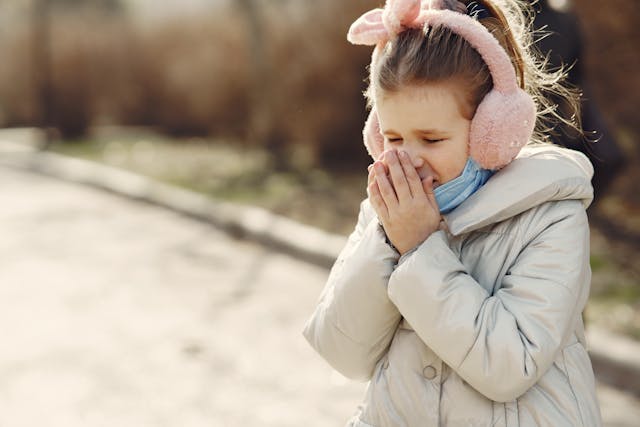
The Impact of Pediatric Allergies
Pediatric allergies can manifest in various forms, affecting a child’s quality of life. Common allergic conditions in children include:
- Food Allergies: Allergic reactions to common foods like peanuts, milk, eggs, and more.
- Environmental Allergies: Sensitivities to pollen, dust mites, pet dander, and mold spores.
- Asthma: Asthma is often linked to allergies and can cause wheezing, coughing, and difficulty breathing.
These allergies can result in symptoms such as sneezing, runny nose, itchy eyes, hives, stomach upset, or, in severe cases, anaphylaxis. Managing pediatric allergies requires specialized care to ensure your child’s health, comfort, and development.
Expert Care for Pediatric Allergies
Dr. Hadjiev understands the unique challenges that pediatric allergies present and offers comprehensive care tailored to your child’s specific needs:
1. Accurate Diagnosis
Accurate diagnosis is the first step toward effective allergy management. An experienced allergist will utilize various diagnostic tools, including skin prick tests and blood tests, to pinpoint the specific allergens triggering your child’s symptoms.
2. Allergen Avoidance Strategies
Once allergens are identified, the allergist provides practical guidance on allergen avoidance strategies tailored to your child’s daily life. This includes recommendations for dietary restrictions, environmental controls, and lifestyle adjustments.
3. Medication Management
For immediate relief of allergy symptoms, an allergist may prescribe medications such as antihistamines, nasal corticosteroids, or asthma inhalers. Medications can help alleviate your child’s discomfort and improve their quality of life.
4. Allergy Shots (Immunotherapy)
In some cases, allergen immunotherapy, also known as allergy shots, may be recommended. This treatment gradually desensitizes your child’s immune system to specific allergens, reducing their allergic reactions over time.
5. Asthma Management
If your child has asthma alongside allergies, your allergist should specialize in asthma management and provide expert guidance to keep your child’s asthma well-controlled.
Pediatric Allergies: Contact NYC’s Trusted Allergist
Don’t let pediatric allergies hold your child back. Dr. Boyan Hadjiev, MD, “Dr. Sneeze,” is dedicated to helping your child thrive by providing expert care for pediatric allergies. Contact him today for an appointment:
Allergy, Asthma and Sinusitis P.C
Boyan Hadjiev, MD
30 East 40th Street
Suite 1200
New York, NY 10016
212-319-5282
Give your child the gift of a healthier, symptom-free life with the support and expertise of NYC’s trusted allergist, Dr. Sneeze. Schedule an appointment today and take the first step toward a brighter future for your child.
Serving all of New York City and the Tri State Area including Zip Codes: Top Allergist NYC Midtown, Chelsea and Clinton: 10001, 10011, 10018, 10019, 10020, 10036 | Gramercy Park and Murray Hill: 10010, 10016, 10017, 10022 | Greenwich Village and Soho: 10012, 10013, 10014 | Lower Manhattan: 10004, 10005, 10006, 10007, 10038, 10280 | Lower East Side: 10002, 10003, 10009 | Upper East Side: 10021, 10028, 10044, 10128 | Upper West Side: 10023, 10024, 10025
[wpseo_address oneline="0" show_state="1" show_phone="1" show_email="1"]
[wpseo_map width="500" height="300" zoom="12" map_style="roadmap" scrollable="1" show_route="0" show_state="1" show_url="1"]