
Category Archives: Dust Mite Allergies
How to Tell If You Have Dust Mite Allergies — And What to Do About It
Dust mite allergies are among the most common year-round triggers for allergic rhinitis and asthma, especially in urban environments like New York City where indoor living is prevalent. If you’ve been sneezing, waking up congested, or dealing with itchy eyes and a runny nose — particularly when you’re indoors — dust mites could be to blame. Here’s how to tell if you have dust mite allergies and what to do about it.
Understanding Dust Mites and Their Impact
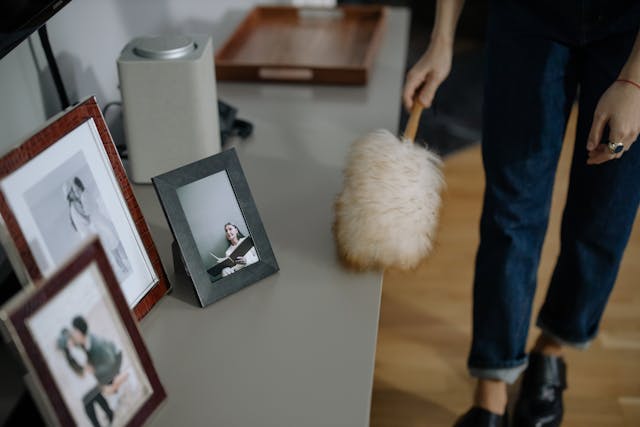
Dust mites are microscopic organisms that thrive in warm, humid environments. They feed on dead skin cells and are commonly found in bedding, carpets, upholstered furniture, curtains, and stuffed animals. While the mites themselves are harmless, their waste products and body fragments contain proteins that can trigger allergic reactions in sensitive individuals.
Common Symptoms of Dust Mite Allergies
If you have a dust mite allergy, you may experience symptoms similar to hay fever — but they tend to persist throughout the year and worsen indoors. Watch for:
- Frequent sneezing
- Runny or congested nose
- Postnasal drip
- Itchy, red, or watery eyes
- Itchy throat or roof of the mouth
- Wheezing, coughing, or shortness of breath (in asthma sufferers)
- Increased symptoms upon waking
If these symptoms improve when you’re outdoors or away from your usual sleeping environment, dust mites may be a primary cause.
How Dust Mite Allergies Are Diagnosed
The best way to confirm a dust mite allergy is through an allergy consultation with a board-certified allergist. Testing options include:
- Skin Prick Test: A small amount of dust mite extract is applied to your skin, and the reaction is observed. Redness or swelling indicates sensitivity.
- Blood Test (Specific IgE): This measures your immune system’s response to dust mite allergens and may be used if you’re unable to undergo skin testing.
An accurate diagnosis helps differentiate dust mite allergies from mold, pet dander, or other indoor triggers.
Tips to Reduce Dust Mite Exposure
Once diagnosed, your allergist will recommend strategies to reduce allergen load in your home and relieve symptoms. These include:
- Encasing Bedding: Use zippered, dust-proof covers for pillows, mattresses, and box springs.
- Washing Bedding Weekly: Launder sheets, pillowcases, and blankets in hot water (130°F or higher).
- Reducing Humidity: Keep indoor humidity below 50% using a dehumidifier or air conditioner.
- Eliminating Carpets: Replace wall-to-wall carpeting with hardwood, tile, or vinyl flooring when possible.
- Using HEPA Filters: Place HEPA filters in vacuums and air purifiers to trap allergens.
- Limiting Upholstered Items: Opt for leather or wood furniture that doesn’t harbor mites.
Treatment Options for Dust Mite Allergies
Your doctor may recommend a combination of medications and long-term treatments, including:
- Antihistamines: Help reduce sneezing, runny nose, and itching.
- Nasal Corticosteroids: Decrease inflammation and congestion.
- Decongestants: Provide short-term relief for nasal stuffiness.
- Allergy Immunotherapy: Allergy shots or sublingual tablets can desensitize your immune system to dust mite allergens over time, offering long-term relief.
Expert Help for Dust Mite Allergies in NYC
If you suspect dust mite allergies are affecting your quality of life, don’t wait. A professional allergy evaluation and customized treatment plan can significantly reduce your symptoms and improve your home environment.
Allergy, Asthma and Sinusitis P.C
Boyan Hadjiev, MD
30 East 40th Street
Suite 1200
New York, NY 10016
212-319-5282
Dust Mite Allergies: Symptoms, Treatment and Prevention
Dust mites are tiny bugs that thrive in warm, humid environments. They feed on dead skin cells shed by people and pets. Exposure to dust mites can cause allergic reactions in people.
Dust Mite Allergies: Symptoms
What are the signs of an allergy to dust mites? Symptoms are similar to allergic reactions to other airborne allergens. You may be sniffling, sneezing, or coughing. Your eyes may itch or tear up, and your skin might itch. Dust mites can even be one of the culprits in asthma.
If your allergic symptoms flare up while you are vacuuming or dusting, or while you are in bed, you may have a problem with dust mites or other dust-related allergens. Our allergist can help you diagnose and treat the problem.
Treatment of Dust Mite Allergic Symptoms
When you come to see our allergist, Dr. Hadjiev, he will take a medical history, do a medical exam, and ask questions about your home environment to pinpoint where and when your symptoms are occurring. An allergy test can help determine if you are allergic to dust mites.
Treatment for dust mite allergies may include medication to relieve immediate symptoms, as well as immunotherapy to alleviate symptoms in the long run. Dr. Hadjiev will also help you make a plan to modify your home environment, so it will be less hospitable to dust mites.
Dust Mite Allergies: Prevention
Dust is everywhere. No matter where you live and how clean you keep your home, you’re going to find dust somewhere. It builds up so quickly. Where there is dust, there are dust mites.
While the reality of dust might seem discouraging, there is plenty you can do to minimize your exposure. Following are some simple but effective steps you can take.
Pay Attention to Where Dust Mites Thrive
Be mindful of your home environment. Where does dust collect and settle? Those are often the places that get skipped in cleaning. Books, knick knacks, lamp shades. Those comfy blankets and pillows you curl up with on the couch. All of those items attract dust mites. It’s important to keep them clean on a regular basis. Wash your blankets and consider using washable decorative covers on the pillows you sit with on your couch.
Beds and sofas are likely places for dust mites to settle. Anywhere you sleep or sit for long periods of time is a place where you shed your old dead skin. That is food for dust mites. That’s why it is a good idea to vacuum the top and sides of your sofa and bed, and wash your bed linens regularly. Read More.
Keep your pets’ beds and favorite areas clean as well. Dust mites feed off the skin shed by animals as they go through their day. Consider covering your pets’ favorite napping places with towels or other washable coverings.
Take the time to clean under your sofa, tables and chairs where you spend time sitting. Be sure especially to clean under your bed. You don’t want to interact with dust mites all night long. You might also consider putting encasements on your mattress, box spring, and pillows.
Create an Unfavorable Environment for Dust Mites
Be sure to dust and vacuum your home regularly. If you are allergic, can someone else in your home do that chore? Or you might consider wearing a mask while you clean.
Vacuum first and then dust, as vacuuming often stirs dust into the air. Be sure your vacuum cleaner is working well and has a good filter. Even with the best filter, wear a mask while vacuuming. When you dust, use a duster that grabs the dust instead of just sending it airborne.
Dust mites thrive in humid environments. So you might find it helpful to reduce your indoor humidity. However, an environment that is too dry can also affect your health. You need to find the right balance. Our allergist can help you make decisions that are right for your health.
Dust Mite Allergies? Call New York City’s Allergist
If you think your allergic symptoms may be caused by dust mites, or if you are suffering with allergies of any kind, make an appointment to see Dr. Hadjiev, New York City’s own allergist. He can diagnose your allergies to dust mites or other allergens and design a treatment plan to help you feel better.
Serving all of New York City and the Tri State Area including Zip Codes: Top Allergist NYC Midtown, Chelsea and Clinton: 10001, 10011, 10018, 10019, 10020, 10036 | Gramercy Park and Murray Hill: 10010, 10016, 10017, 10022 | Greenwich Village and Soho: 10012, 10013, 10014 | Lower Manhattan: 10004, 10005, 10006, 10007, 10038, 10280 | Lower East Side: 10002, 10003, 10009 | Upper East Side: 10021, 10028, 10044, 10128 | Upper West Side: 10023, 10024, 10025
[wpseo_address oneline="0" show_state="1" show_phone="1" show_email="1"]
[wpseo_map width="500" height="300" zoom="12" map_style="roadmap" scrollable="1" show_route="0" show_state="1" show_url="1"]