
Monthly Archives: October 2025
When to See an Allergist: Signs Your Allergies Are Out of Control
When to see an allergist is a question many people ask after months—or even years—of dealing with persistent allergy symptoms. Sneezing, congestion, itchy eyes, and sinus pressure are often dismissed as minor seasonal inconveniences. However, when these symptoms begin interfering with daily life, work productivity, sleep quality, or overall health, it may be time to seek specialized care. In a city like New York, where allergens such as pollen, mold, pollution, and dust mites are common, unmanaged allergies can easily spiral into chronic health problems.

Understanding the warning signs that your allergies are no longer under control can help you decide when it’s time to consult a specialist and explore more effective treatment options.
Allergy Symptoms That Persist Despite Medication
Occasional sneezing during peak pollen season is normal, but persistent symptoms that continue despite using over-the-counter medications are often a sign that a deeper evaluation is needed. Many people rely heavily on antihistamines, nasal sprays, or decongestants without addressing the underlying cause of their symptoms.
If you find yourself needing medication daily just to function normally, your allergies may require a more targeted treatment plan. An allergist can identify the exact triggers responsible for your symptoms and determine whether options such as prescription therapy or immunotherapy may offer more lasting relief.
Frequent Sinus Infections or Chronic Congestion
Allergies and sinus infections are closely related. Ongoing allergic inflammation can block the sinus passages and create the perfect environment for bacteria to grow. As a result, patients with poorly controlled allergies often experience repeated sinus infections throughout the year.
Chronic sinus pressure, facial pain, or nasal congestion that never fully clears may indicate that allergies are contributing to persistent sinus inflammation. Treating the underlying allergic trigger often reduces the frequency and severity of sinus infections.
Allergies That Disrupt Your Sleep
Many people underestimate the impact allergies can have on sleep quality. Nasal congestion, postnasal drip, and nighttime coughing can make it difficult to fall asleep or stay asleep. Over time, this sleep disruption can lead to fatigue, difficulty concentrating, and reduced daytime productivity.
When allergies begin affecting your ability to rest properly, professional evaluation becomes important. Identifying the cause of nighttime symptoms—such as dust mite exposure in bedding or indoor mold—can dramatically improve both sleep and overall health.
Breathing Problems or Asthma Symptoms
Allergies and asthma are closely linked, and allergic triggers are one of the most common causes of asthma flare-ups. Individuals who notice wheezing, shortness of breath, or chest tightness during allergy seasons may be experiencing allergic asthma.
In these cases, simply managing nasal symptoms may not be enough. An allergist can perform lung function testing and determine whether allergens are triggering airway inflammation. Early diagnosis and treatment can significantly reduce asthma attacks and improve breathing.
Allergic Reactions to Foods, Insects, or Medications
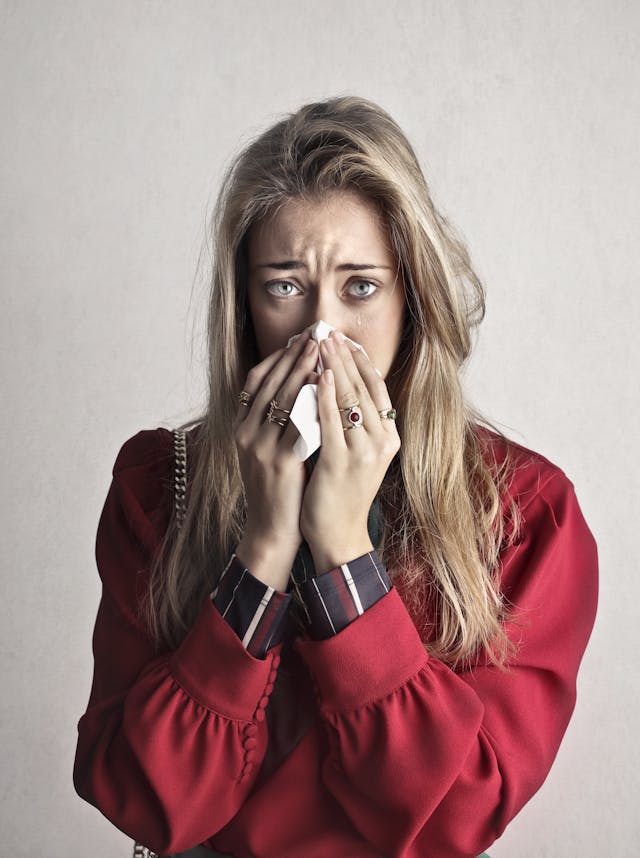 Certain allergic reactions carry a higher level of risk and should always be evaluated by a specialist. Food allergies, insect venom allergies, and medication allergies can lead to severe reactions such as swelling, difficulty breathing, or anaphylaxis.
If you have experienced a serious allergic reaction—or even suspect a possible food allergy—it is important to undergo proper testing. Accurate diagnosis helps prevent accidental exposure and ensures that emergency treatment plans are in place if needed.
Allergy Symptoms That Last Year-Round
While seasonal allergies are common, many patients experience symptoms throughout the entire year. This pattern often points to indoor allergens such as dust mites, pet dander, mold, or cockroach allergens—triggers that are particularly common in densely populated cities.
Because indoor allergens are present every day, symptoms can become chronic and progressively worse if left untreated. Allergy testing allows your physician to identify these hidden triggers and recommend strategies to reduce exposure.
How an Allergist Can Help
Consulting a board-certified allergist provides a comprehensive approach to diagnosis and treatment. Instead of simply treating symptoms, allergy specialists work to identify the root cause of the immune system’s reaction.
During an allergy consultation, patients typically undergo a detailed medical history review along with diagnostic testing such as skin prick testing or blood tests. Once specific allergens are identified, a personalized treatment plan may include medications, environmental modifications, or allergy immunotherapy designed to reduce sensitivity over time.
Many patients who seek specialized care experience significant improvements in their symptoms and overall quality of life.
Schedule an Allergy Evaluation in NYC
If your allergy symptoms have become difficult to manage or are interfering with your daily life, a professional evaluation can help you regain control of your health.
Comprehensive testing and personalized treatment can identify the triggers responsible for your symptoms and provide long-term relief.
Allergy, Asthma and Sinusitis P.C
Boyan Hadjiev, MD
30 East 40th Street
Suite 1200
New York, NY 10016
212-319-5282
NYC Allergy Season Survival Guide: Expert Tips for Year-Round Relief
NYC allergy season survival guide information is essential for many residents who struggle with allergy symptoms throughout the year. In New York City, allergens change with the seasons — from tree pollen in spring to ragweed in late summer and indoor triggers like dust mites during the winter months. Without a proper strategy, these allergens can cause persistent sneezing, congestion, itchy eyes, fatigue, and even asthma flare-ups. Understanding how to manage allergies year-round can significantly improve comfort, productivity, and overall quality of life.
Understanding NYC’s Unique Allergy Seasons
New York City has distinct allergy patterns depending on the time of year. Knowing what allergens dominate each season can help you prepare and reduce exposure.
- Spring (March – May): Tree pollens such as oak, maple, birch, and elm are major triggers.
- Summer (May – July): Grass pollen becomes the dominant allergen.
- Late Summer & Fall (August – October): Ragweed pollen peaks and can cause severe symptoms.
- Winter (November – February): Indoor allergens like dust mites, pet dander, and mold become more prominent.
Because NYC residents spend significant time indoors and outdoors commuting, they are often exposed to both environmental and indoor allergens.
Recognizing Common Allergy Symptoms
Allergy symptoms can vary depending on the allergen and the individual’s sensitivity. However, the most common signs include:
- Sneezing and nasal congestion
- Runny nose or postnasal drip
- Itchy or watery eyes
- Scratchy throat
- Coughing or wheezing
- Fatigue due to poor sleep
These symptoms may appear mild initially but can worsen without proper management, especially during peak pollen periods.
Monitor Pollen Levels and Air Quality
One of the most effective strategies for managing allergies in NYC is staying informed about daily pollen counts and air quality.
- Check local pollen forecasts during allergy season.
- Limit outdoor activities during peak pollen hours (typically early morning).
- Keep windows closed during high pollen days.
- Use air conditioning with clean filters instead of open windows.
Tracking environmental conditions allows allergy sufferers to reduce unnecessary exposure.
Create an Allergy-Friendly Home Environment
Your home should be a safe space from allergens, but indoor air can sometimes be worse than outdoor air if not properly managed.
- Use HEPA air purifiers in bedrooms and living areas.
- Wash bedding weekly in hot water to eliminate dust mites.
- Vacuum frequently with HEPA-filter vacuums.
- Reduce clutter that collects dust.
- Maintain humidity levels between 30–50% to prevent mold growth.
These steps can significantly reduce allergen buildup indoors.
Daily Habits That Reduce Allergy Exposure
Small routine changes can have a big impact on symptom control.
- Shower and change clothes after spending time outdoors.
- Leave shoes near the entrance to prevent pollen from spreading indoors.
- Wear sunglasses outside to reduce pollen exposure to the eyes.
- Rinse nasal passages with saline solutions to remove allergens.
These habits help prevent allergens from lingering in your home and personal space.
Treatment Options for Long-Term Allergy Relief
While lifestyle changes are helpful, many people require medical treatment for optimal symptom control.
- Antihistamines: Help relieve sneezing, itching, and runny nose.
- Nasal corticosteroid sprays: Reduce inflammation and nasal congestion.
- Decongestants: Provide temporary relief for blocked sinuses.
- Allergy immunotherapy: Allergy shots or drops help desensitize the immune system to allergens over time.
A customized treatment plan often produces the best long-term results.
When to See an Allergist
If allergy symptoms persist despite over-the-counter treatments, or if they interfere with daily activities, it may be time to consult a specialist. Allergy testing can identify specific triggers and guide a personalized treatment approach designed to reduce symptoms and prevent complications such as chronic sinusitis or asthma.
Expert Allergy Care in NYC
If you are struggling with seasonal or year-round allergies, professional evaluation and treatment can help you breathe easier. Schedule a consultation with Dr. Boyan Hadjiev for expert diagnosis and comprehensive allergy care tailored to your needs.
Allergy, Asthma and Sinusitis P.C
Boyan Hadjiev, MD
30 East 40th Street
Suite 1200
New York, NY 10016
212-319-5282
Serving all of New York City and the Tri State Area including Zip Codes: Top Allergist NYC Midtown, Chelsea and Clinton: 10001, 10011, 10018, 10019, 10020, 10036 | Gramercy Park and Murray Hill: 10010, 10016, 10017, 10022 | Greenwich Village and Soho: 10012, 10013, 10014 | Lower Manhattan: 10004, 10005, 10006, 10007, 10038, 10280 | Lower East Side: 10002, 10003, 10009 | Upper East Side: 10021, 10028, 10044, 10128 | Upper West Side: 10023, 10024, 10025
[wpseo_address oneline="0" show_state="1" show_phone="1" show_email="1"]
[wpseo_map width="500" height="300" zoom="12" map_style="roadmap" scrollable="1" show_route="0" show_state="1" show_url="1"]