
Monthly Archives: June 2025
Understanding the Link Between Allergies and Asthma
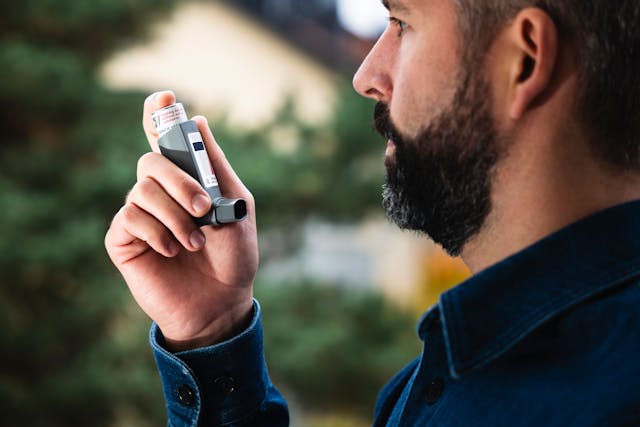
Understanding the link between allergies and asthma is crucial for managing both conditions effectively. These two often go hand-in-hand, especially in a busy urban environment like New York City, where allergens and pollutants are everywhere — from subway dust and rooftop pollen to pet dander in shared buildings. For many people, allergic reactions can trigger or worsen asthma symptoms, leading to breathing difficulties, reduced quality of life, and emergency room visits if not properly treated.
What Is the Connection Between Allergies and Asthma?
Allergic asthma is a type of asthma triggered by allergens — substances that cause allergic reactions. When someone with allergic asthma is exposed to an allergen like pollen or mold, their immune system reacts, causing inflammation in the airways. This inflammation leads to asthma symptoms such as:
- Shortness of breath
- Chest tightness
- Wheezing
- Persistent coughing
The connection between the two conditions lies in the immune system’s overreaction. For patients with both allergies and asthma, managing one often helps manage the other.
Common Allergy Triggers That Can Affect Asthma
Identifying and avoiding triggers is key to controlling allergic asthma. In NYC, environmental and indoor allergens are everywhere. Some of the most common include:
- Pollen: Tree, grass, and weed pollens peak during spring and fall.
- Dust Mites: Common in apartment buildings and older homes.
- Mold: Grows in damp areas like bathrooms, basements, and subways.
- Pet Dander: Even if you don’t own pets, shared spaces can harbor dander.
- Cockroach Droppings: A common trigger in densely populated cities.
Inhalation of these allergens can set off both allergy symptoms and an asthma attack, especially in individuals with allergic asthma.
Signs You May Have Allergic Asthma
If you’re already diagnosed with allergies or asthma, but you’re noticing cross-over symptoms, you may have allergic asthma. Watch for:
- Worsening of asthma symptoms during allergy season
- Asthma attacks after pet exposure
- Need for frequent rescue inhaler use in dusty or moldy environments
- Asthma triggered by pollen, smoke, or perfume
A consultation with a board-certified allergist can confirm the diagnosis and help you develop a targeted treatment plan.
Testing for Allergies and Asthma
To determine if your asthma is allergy-related, an allergist may recommend:
- Skin Prick Testing: Identifies sensitivities to common allergens.
- Blood Testing (IgE): Measures allergy-related antibodies.
- Spirometry: Assesses lung function and airflow restriction.
A combination of tests can provide a complete picture of what’s causing your symptoms — and how to treat them.
Treatment Options That Target Both Conditions
Managing allergies and asthma together often results in better outcomes. Effective treatments may include:
- Inhalers: Daily corticosteroids and rescue bronchodilators help manage asthma symptoms.
- Antihistamines: Reduce allergic reactions and nasal symptoms.
- Allergy Immunotherapy: Allergy shots or sublingual tablets retrain the immune system to reduce sensitivity.
- Environmental Control: Air purifiers, allergen-proof bedding, and mold remediation can reduce exposure.
Many patients with allergic asthma see long-term improvements when both allergies and asthma are addressed as part of the same treatment strategy.
Why Seeing an Allergist Matters
While general practitioners can treat asthma, an allergist has the specialized knowledge to identify allergy-asthma overlaps. By creating a personalized care plan, they can reduce your reliance on emergency medications and help you lead a more comfortable, symptom-free life — even during peak allergy season in NYC.
Get Expert Help for Allergies and Asthma in NYC
If you’re struggling with allergy-induced asthma or aren’t sure what’s triggering your symptoms, expert help is available. Schedule a consultation with Dr. Boyan Hadjiev to receive comprehensive allergy and asthma care designed around your needs.
Allergy, Asthma and Sinusitis P.C
Boyan Hadjiev, MD
30 East 40th Street
Suite 1200
New York, NY 10016
212-319-5282
How to Manage Food Allergies Safely and Effectively
How to manage food allergies safely and effectively is one of the most important health goals for millions of individuals living with dietary restrictions. In a bustling food hub like New York City, where exposure to hidden allergens can happen in restaurants, bakeries, or even grocery stores, it’s crucial to have a solid allergy management plan to stay safe and healthy.
Whether you’ve been recently diagnosed or have lived with food allergies for years, proper education and a proactive approach can significantly reduce your risk of accidental exposure and improve your quality of life.
What Are Food Allergies?
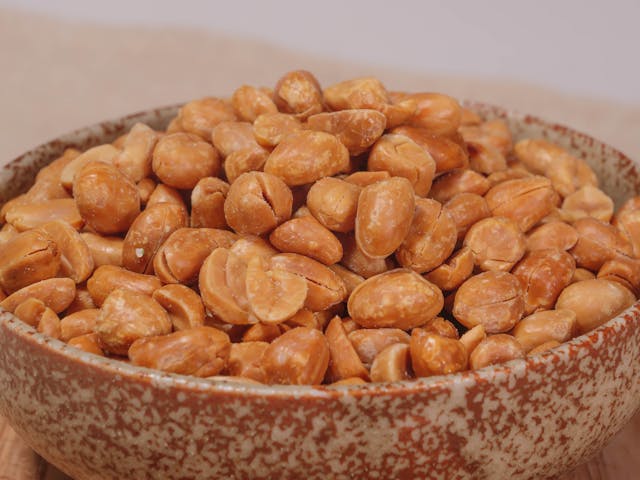
Food allergies occur when the immune system mistakenly identifies a certain food protein as harmful. This reaction can range from mild irritation to severe, life-threatening anaphylaxis. Unlike food intolerances, food allergies involve the immune system and can be triggered by even trace amounts of the allergen.
Common food allergens include:
- Peanuts
- Tree nuts (e.g., almonds, walnuts, cashews)
- Milk
- Eggs
- Wheat
- Soy
- Shellfish and fish
- Sesame (now considered a major allergen under U.S. law)
Signs and Symptoms to Watch For
Recognizing symptoms of food allergies is critical to prompt treatment. Reactions typically occur within minutes to two hours after eating the allergen. Signs may include:
- Hives, itching, or eczema
- Swelling of the lips, face, tongue, or throat
- Wheezing, nasal congestion, or trouble breathing
- Stomach pain, vomiting, or diarrhea
- Dizziness or fainting
- Anaphylaxis – a potentially life-threatening reaction that requires immediate medical attention
Accurate Diagnosis Through Allergy Testing
If you suspect a food allergy, an evaluation by a board-certified allergist is essential. At your consultation, the allergist may use:
- Skin prick testing: Identifies immediate allergic reactions to specific foods
- Blood testing (specific IgE): Measures allergy-related antibodies in your bloodstream
- Oral food challenge: Performed under medical supervision to confirm or rule out an allergy
Getting the right diagnosis can help avoid unnecessary dietary restrictions and prevent serious allergic reactions.
Effective Strategies for Living with Food Allergies
Managing food allergies requires constant vigilance, especially in a fast-paced city like NYC. Here are key strategies:
- Read Labels Thoroughly: Always check ingredient lists for allergens and look for “may contain” or “processed in a facility” warnings.
- Inform Others: Notify restaurant staff, school administrators, coworkers, and friends about your allergies.
- Carry Emergency Medication: Always have an epinephrine auto-injector (like EpiPen) and know how to use it.
- Use Allergy Cards: Especially useful in restaurants — these clearly list your allergens and can be handed to chefs or servers.
- Wear a Medical Alert Bracelet: This helps first responders quickly identify your condition in case of an emergency.
Special Considerations for Children
For children with food allergies, additional precautions are needed. These include:
- Allergy action plans shared with schools and caregivers
- Education for teachers and peers on avoiding cross-contamination
- Safe snack lists and allergy-friendly lunch preparation
Working closely with a pediatric allergist can help ensure that kids stay healthy and included in social activities without compromising safety.
Looking Toward the Future: Can Food Allergies Be Treated?
While there’s no universal cure for food allergies, advances in treatment — such as oral immunotherapy (OIT) — are offering hope. Under the guidance of an allergist, patients are exposed to tiny, gradually increasing amounts of the allergen to build tolerance over time.
Though not suitable for everyone, these cutting-edge treatments may be a game-changer for some individuals with severe or life-threatening allergies.
Find Expert Help for Food Allergy Management in NYC
If you’re ready to take control of your food allergies, expert care is essential. Schedule a consultation with Dr. Boyan Hadjiev at Allergy, Asthma and Sinusitis P.C., where you’ll receive a customized management plan based on your specific needs and lifestyle.
Allergy, Asthma and Sinusitis P.C
Boyan Hadjiev, MD
30 East 40th Street
Suite 1200
New York, NY 10016
212-319-5282
Live confidently with food allergies—get the support you need from one of NYC’s top allergists.
Serving all of New York City and the Tri State Area including Zip Codes: Top Allergist NYC Midtown, Chelsea and Clinton: 10001, 10011, 10018, 10019, 10020, 10036 | Gramercy Park and Murray Hill: 10010, 10016, 10017, 10022 | Greenwich Village and Soho: 10012, 10013, 10014 | Lower Manhattan: 10004, 10005, 10006, 10007, 10038, 10280 | Lower East Side: 10002, 10003, 10009 | Upper East Side: 10021, 10028, 10044, 10128 | Upper West Side: 10023, 10024, 10025
[wpseo_address oneline="0" show_state="1" show_phone="1" show_email="1"]
[wpseo_map width="500" height="300" zoom="12" map_style="roadmap" scrollable="1" show_route="0" show_state="1" show_url="1"]